

Field Guide · 4 min read
What drives the cost of turf.
By the Marsh & Mane crew · Updated
Key takeaways
- Size matters, but site prep is often the biggest variable.
- Drainage fixes, tight access and tree roots add labor.
- Pet, cooling and putting-green systems use different products.
- Compare quotes line by line: base depth, edging, infill and warranty.
The five biggest cost factors
- Square footage: larger areas cost more in total, though often less per square foot.
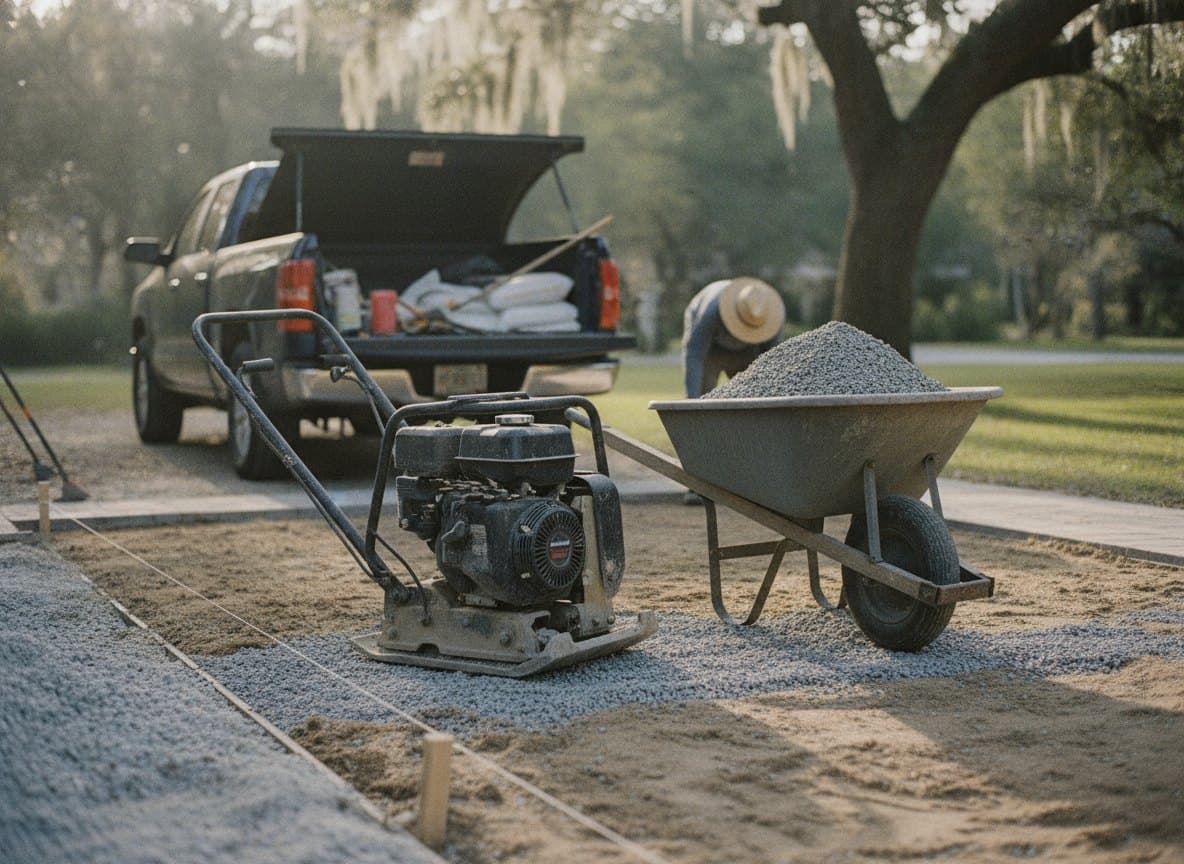
- Site prep: removing sod and soil, then building and compacting a crushed-stone base.
- Drainage: regrading or adding French or channel drains in low, wet yards.
- Access: backyards reachable only by hand (common downtown) take more labor.
- Product: pet systems, cooling fibers, putting surfaces and premium blends differ.
Extras that change a quote
- Shock pads under playsets.
- Edging along beds, pavers and fences.
- Removing old concrete, decking or debris.
- Planting, patios, paths and lighting designed alongside the turf.
How to compare turf quotes
Ask every installer the same questions: how deep is the base and what is it made of, how is it compacted, how are edges secured, which turf and infill are included, and what does the warranty cover. Two quotes for the same square footage can describe very different lawns.
Why we quote after a visit
We measure, check grade and drainage, look at access and talk through how you use the yard before we price anything. That way the quote matches the yard you will actually get, with no surprises halfway through the job.
Common questions
For an accurate quote, yes. Photos help us give early guidance, but grade, drainage and access are best checked in person.
Turf costs more up front than sod, but removes ongoing mowing, watering, fertilizer and reseeding. How quickly that balances out depends on your yard and how you maintain it today.

Ready to ditch the mower?
Let's build a yard worth hanging out in.
Good turf. Good times.